


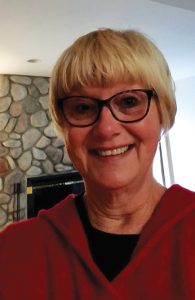
At the age of 46, Cathy Chance was in good health and, as such, rarely saw her doctor. At the time, Cathy was using a prescribed birth control pill to help regulate her menstrual cycle and manage the discomfort that millions of women experience. As with recurring medications, Cathy’s prescription for birth control pills was on automatic refill; however, she required periodic in-person visits to renew her prescription beyond the number of refills allotted.
Because Cathy was healthy, busy, and feeling fine, she called her doctor’s office to ask (firmly) for a refill, forgoing the required in-office visit in the process, and assured them that she would come in soon.
Cathy’s insistence did not sway the Physician Assistant on the other end of the call, being told politely that to refill the prescription, an exam was necessary. No amount of persistence from Cathy would change minds or medical protocol, which for Cathy, turned out to be what amounts to a life-changing, possibly life-saving experience.
During Cathy’s exam, her provider found a lump in her breast. This early detection led to an immediate biopsy, followed by a lumpectomy and removal of the glands, which were thankfully found to be clear. This underscores the crucial role of early detection, including recommended mammograms following the guidelines for women, in saving lives.
“Fortunately, thanks to this awesome and very professional PA, it was ‘caught’ before it spread,” Cathy shared. Her life-saving surgery was followed by radiation therapy and five years of taking the prescription Tamoxifen. “Here I am now, 32 years later, a very healthy and lucky 77-year-old survivor,” she said.
Like many women, the lump she knew was present was dismissed as a pulled muscle, having done some strenuous outdoor work earlier. Cathy firmly believes that had she not been required to attend the office in person for an exam, she would not have seen a doctor until it was too late.
The message to women (and men) is that when your healthcare team insists on an in-office visit for a prescription refill or renewal, they are not being difficult or trying to inconvenience patients. Instead, it is a testament to their commitment to patient safety, ensuring that medications continue to be the right ones, discussing side effects, and, as in Cathy’s case, identifying other conditions that could have dire health outcomes.