
Ask the Expert
You Don’t Have to Figure It Out Alone: The Power of Diabetes Education
- Home
- Forks News
- Ask the Expert
- You Don’t Have to Figure It Out Alone: The Power of Diabetes Education
Q: What does diabetes education offer, and why does it matter?
Managing diabetes can feel overwhelming, whether you’ve lived with it for years or were recently diagnosed.
Diabetes education does more than share information—it equips patients with the tools, skills, and confidence to manage their condition daily. Research shows that participating in structured diabetes self-management programs can:
- Reduce hospital admissions and emergency room visits.
- Minimize the need for treatments related to complications. Patients who engage in education are more likely to follow preventive care guidelines and achieve better health outcomes over time.
- Lower overall health care costs.
- Improve quality of life. Education empowers patients to take control of their diabetes with practical skills and personalized care plans that fit their lifestyle, goals, and cultural needs.
- Support mental and emotional health. Learning coping strategies helps patients manage the stress and emotional burden that often accompany a diabetes diagnosis.
What Patients Can Expect From Diabetes Education
When you participate in a diabetes education program, you’ll gain knowledge and skills in areas essential for self-management, including:
Being active, monitoring blood glucose, problem-solving, reducing risks, healthy eating, taking medication, and healthy coping.
One-on-one sessions provide tailored advice based on your type of diabetes and lifestyle. Patients learn to set SMART goals and make sustainable lifestyle changes.
Education explains how diabetes affects your body using basic anatomy and physiology concepts.
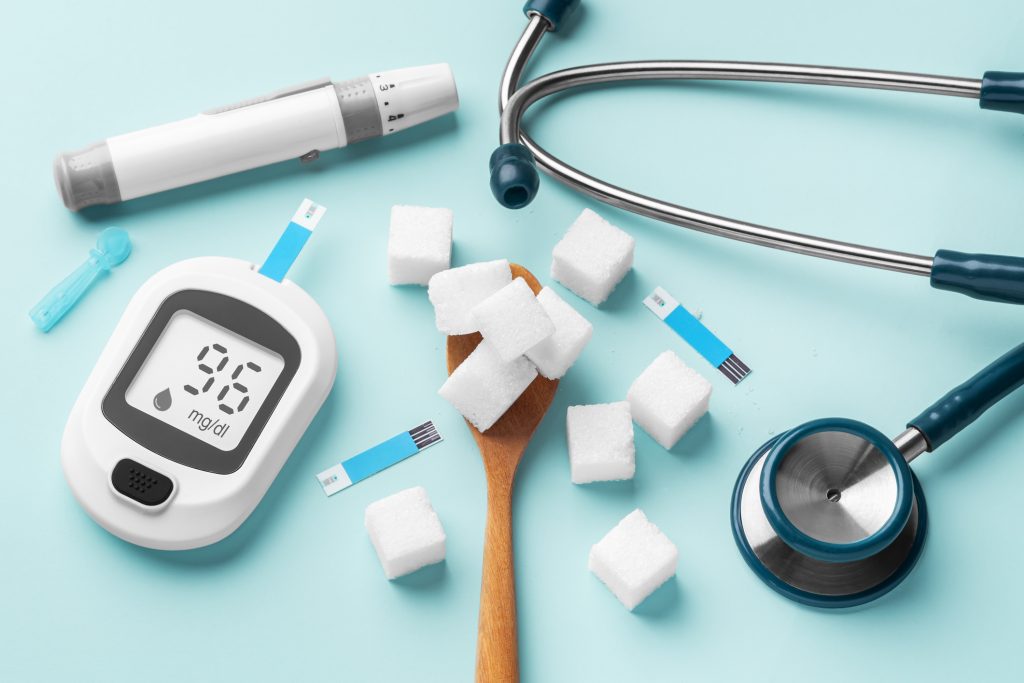
Learn how to track and respond to glucose patterns using fingerstick or continuous glucose monitoring (CGM) systems.
Identify and prevent high or low blood sugar episodes and know when to seek emergency care or contact your doctor.
Understand key health indicators such as A1c, cholesterol, blood pressure, kidney function, and BMI targets, and strategies for smoking cessation.
Safe ways to incorporate movement and exercise into daily life while understanding the impact on blood sugar.
Meal planning, carbohydrate counting, label reading, and strategies for dining out, macronutrient pairing, and blood sugar stabilization.
Learn how medications work, when to take them, side effects to watch for, and techniques to minimize side effects.
Stress management techniques and sick-day care strategies.
Education helps reduce the risk of macrovascular (heart disease, stroke) and microvascular (eye, kidney, nerve) complications through lifestyle strategies, routine screenings, and medication adherence.
How Loved Ones Can Support Patients with Diabetes
Even if you’re not part of a healthcare team, you can make a difference:
- Be a good listener: Ask how you can help and listen carefully. Avoid giving unsolicited advice.
- Learn about diabetes: Understand that each person’s plan is unique.
- Know the signs of low blood sugar: Be prepared to respond safely.
- Be a role model: Healthy eating and lifestyle habits benefit everyone.
- Help ease stress: Encourage healthy coping mechanisms like walking, gardening, or shared hobbies.
- Know when to step back: Diabetes management is the patient’s responsibility; support without criticism is key.
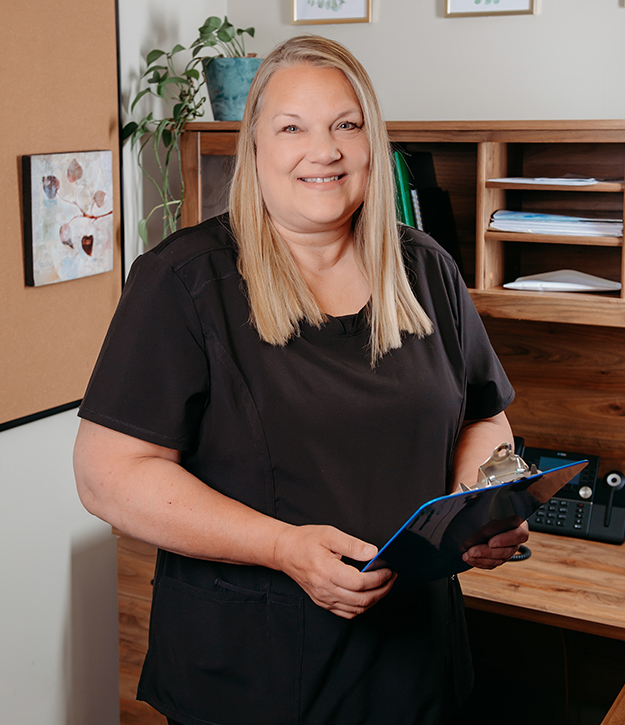
Meet Our Certified Diabetes Care and Education Specialist
The Goal: Empowerment and Hope
My ultimate goal is for patients to walk away from diabetes education feeling empowered to self-manage their condition and confident that diabetes is manageable—they are not alone.
A team of healthcare professionals is here to help, and patients can find hope in knowing they have support every step of the way.
Diabetes education transforms lives—not just by providing knowledge, but by building skills, confidence, and hope.